Embroidery vs Screen Printing: Which Fits?
- April 16, 2026
- 2:20 am
A company polo and a giveaway t-shirt do not need the same decoration method, and that is where many apparel orders go off track. When you are weighing embroidery vs screen printing, the right choice comes down to more than appearance. It affects durability, brand presentation, garment compatibility, and total program cost.
For business buyers, the decision is usually practical. You need decorated apparel that looks polished, holds up in real use, and arrives on time without unnecessary back-and-forth. The best method depends on what you are decorating, how the item will be worn, and what kind of impression you want your brand to make.
Embroidery vs screen printing: the core difference
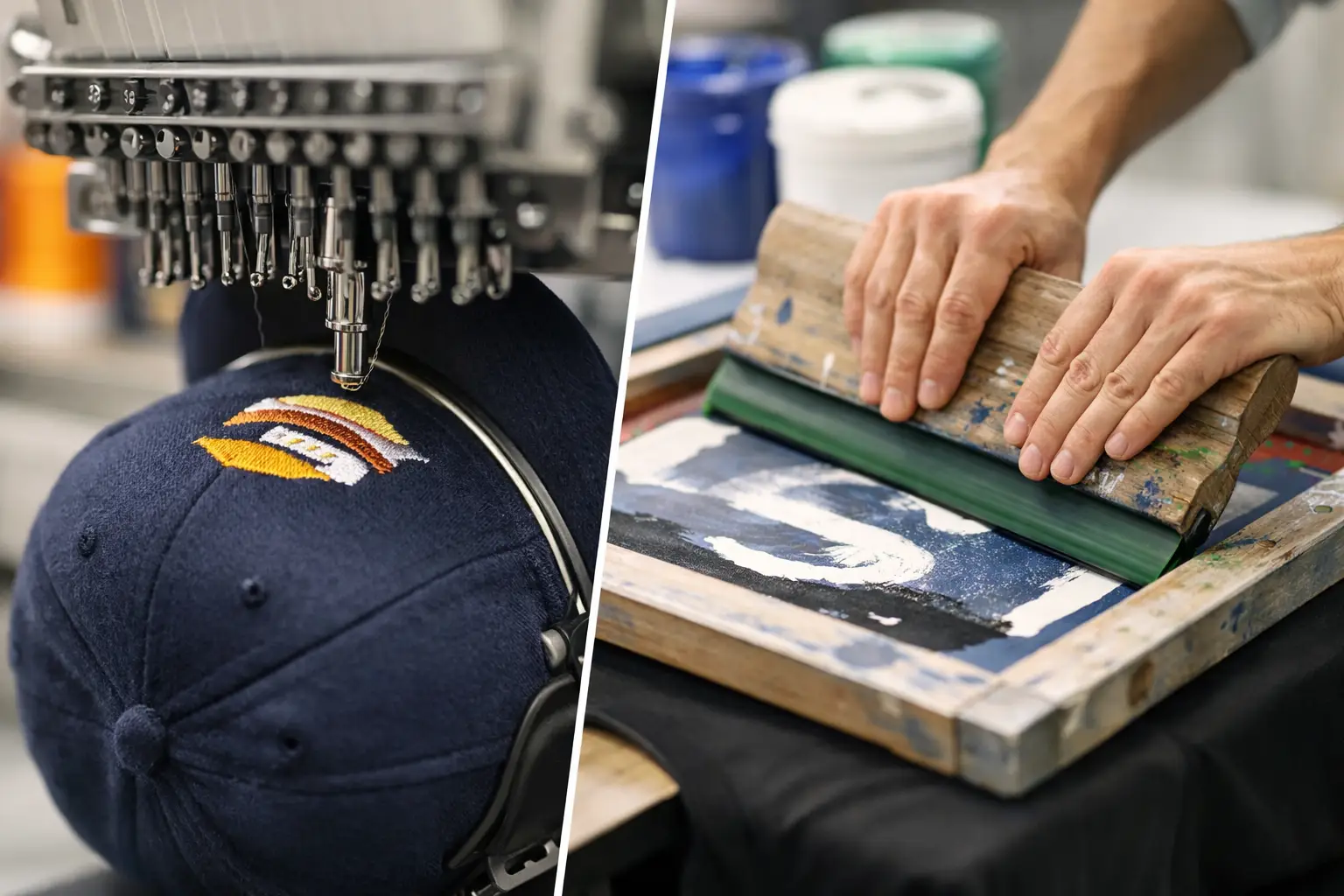
Embroidery uses thread stitched directly into the garment. It creates a textured, dimensional finish that feels premium and structured. That is why it is a strong fit for corporate polos, outerwear, caps, work shirts, and uniforms where a professional appearance matters.
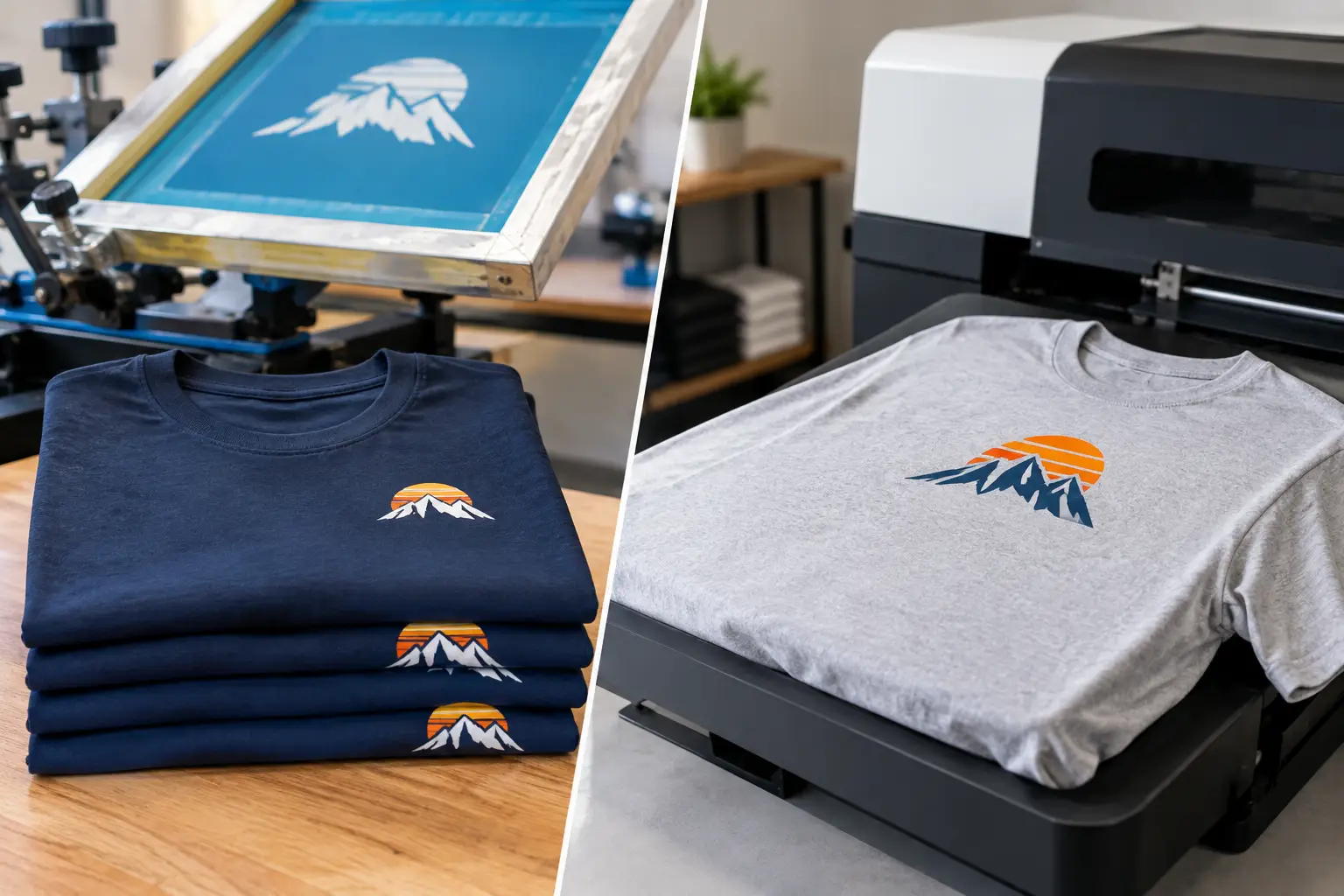
Screen printing applies ink onto the garment surface through a stencil process. It produces a smooth graphic finish that works especially well for larger designs, bold artwork, and high-quantity runs. This method is commonly used for t-shirts, event apparel, team shirts, and promotional pieces where visibility and value are top priorities.
Neither option is automatically better. They simply solve different branding needs.
When embroidery is the better choice
Embroidery is often the first choice for companies that want a refined, long-term branded look. A stitched logo on a polo or jacket tends to read as more elevated than a printed mark, especially in office settings, customer-facing roles, and management uniforms.
It also performs well on heavier, more structured garments. Think polos, fleece, button-down work shirts, quarter-zips, hats, and bags. These products can support the weight and texture of stitching, and the finished result feels intentional and durable.
Another advantage is longevity. Embroidered logos hold up extremely well through repeated wear and laundering when they are properly digitized and sewn. For employee uniforms or branded apparel programs that need consistency over time, that reliability matters.
There are limits, though. Small text can become difficult to read if the design is too detailed. Gradient-heavy artwork, photographic images, or very intricate graphics usually do not translate cleanly into thread. Embroidery also adds more weight to the garment, which can be a drawback on lightweight performance shirts or very thin fabrics.
If your goal is a clean company logo on premium apparel, embroidery is usually the stronger fit.
Best uses for embroidery
Embroidery works especially well for apparel tied to professionalism and repeated use. That includes employee uniforms, executive apparel, trade show polos, branded outerwear, caps, and corporate gifts like bags or fleece jackets.
It is also a smart option when brand perception matters as much as visibility. A stitched logo signals permanence and quality in a way that fits many corporate environments.
When screen printing makes more sense
Screen printing shines when the design itself is the star. If you need a large logo on the back of a shirt, bold event graphics, multi-shirt campaign messaging, or a high-volume run for a promotion, screen printing is often the more practical and cost-effective choice.
It is especially well suited to t-shirts and sweatshirts. Ink sits on the fabric rather than being sewn into it, so large designs do not create extra bulk. That matters for comfort, especially on lightweight garments that will be worn at events, on job sites, or in warm weather.
Screen printing also handles graphic complexity better than embroidery in many cases. Large artwork, strong shapes, and multi-color prints can come out crisp and readable, particularly when the artwork is designed with print production in mind.
From a budget perspective, screen printing becomes more attractive as quantities increase. Once the setup is complete, larger runs typically offer solid value per piece. For marketing teams ordering shirts for a conference, school event, fundraiser, or seasonal campaign, that can make a major difference.
The trade-off is that screen printing usually feels more casual than embroidery. It can be extremely durable when produced correctly, but it does not deliver the same textured, elevated finish as thread on a polo or cap.
Best uses for screen printing
Screen printing is a strong choice for promotional t-shirts, event apparel, team shirts, warehouse or crew tees, branded giveaways, and campaign-based merchandise. It is built for impact, volume, and graphic flexibility.
If the garment is meant to spread awareness, unify a group, or support a short-term initiative, screen printing often gives you the best return.
How garment type affects the decision
One of the biggest factors in embroidery vs screen printing is the garment itself. The same logo can look excellent embroidered on a polo and completely wrong on a lightweight ring-spun tee. Decoration should match the fabric, weight, and intended use of the item.
Structured garments like polos, jackets, caps, and bags usually pair well with embroidery because the material can support the stitching. Soft, lightweight, or fashion-fit t-shirts often perform better with screen printing because ink preserves the garment’s drape and comfort.
For sweatshirts and hoodies, either method can work depending on the logo size and placement. A small left-chest embroidered logo can create a premium retail look, while a large printed front or back graphic may be better for team identity or event branding.
This is where experienced production guidance matters. A decoration method should not be chosen in isolation from the garment. It should be chosen based on how the final product needs to look, wear, and perform.
Cost, quantity, and reorder planning
Most business buyers are not placing a one-time order with no future needs. They are thinking about new hires, department expansions, event cycles, branch locations, or recurring programs. That makes decoration cost and reorder consistency especially important.
Embroidery usually carries a higher unit cost than screen printing, particularly on lower-cost garments. There is digitizing involved, and stitch counts can affect production time. But for premium apparel and longer-use items, that extra investment often pays off in appearance and lifespan.
Screen printing usually offers stronger pricing for larger runs, especially on t-shirts. If you need 100 shirts for an event, a printed design may deliver the best balance of visibility and budget control.
Reorders matter too. For uniform programs, embroidery is often easier to standardize across polos, jackets, hats, and bags using the same logo file setup. For campaign apparel or changing event graphics, screen printing is often the more flexible route.
Which method looks more professional?
For most corporate settings, embroidery has the edge. A stitched chest logo on a quality polo or outerwear piece presents a clean, established brand image. It is what many companies want for sales teams, managers, front-desk staff, service technicians, and any employee who represents the business face-to-face.
Screen printing can still look professional, but it creates a different impression. It is better for energy, visibility, and message-driven apparel than for formal brand presentation. That is not a weakness. It just means the intended use should guide the decision.
If your apparel is part of a long-term uniform strategy, embroidery is often the safer choice. If your apparel is tied to an event, promotion, or outreach campaign, screen printing may be the better business decision.
How to choose between embroidery vs screen printing
Start with the role of the garment. Is it for daily employee wear, a polished customer-facing team, a one-time event, or a high-volume promotional push? Then look at the garment type, the logo complexity, and the quantity.
Choose embroidery if you want a premium, durable logo on polos, caps, jackets, bags, or workwear. Choose screen printing if you need larger graphics, softer t-shirt decoration, or better value on bigger runs.
In many apparel programs, the right answer is not one or the other. It is both. A company might use embroidered polos and outerwear for staff uniforms, then add screen-printed tees for trade shows, volunteer days, or seasonal promotions. That combination creates consistency while matching each product to its real-world purpose.
At LOGO USA, that is often the most effective path for business buyers who need apparel that works across departments, events, and reorder cycles. The decoration method should support your brand, not force your brand into the wrong product.
The best branded apparel is not chosen by habit. It is chosen by fit. When the garment, logo, and decoration method all line up, the result looks sharper, lasts longer, and does a better job representing your business.
Popular Blogs
What File Formats Does Embroidery Accept?
October 12, 2026