How to Make Custom Embroidered Hats
- April 11, 2026
- 3:15 am
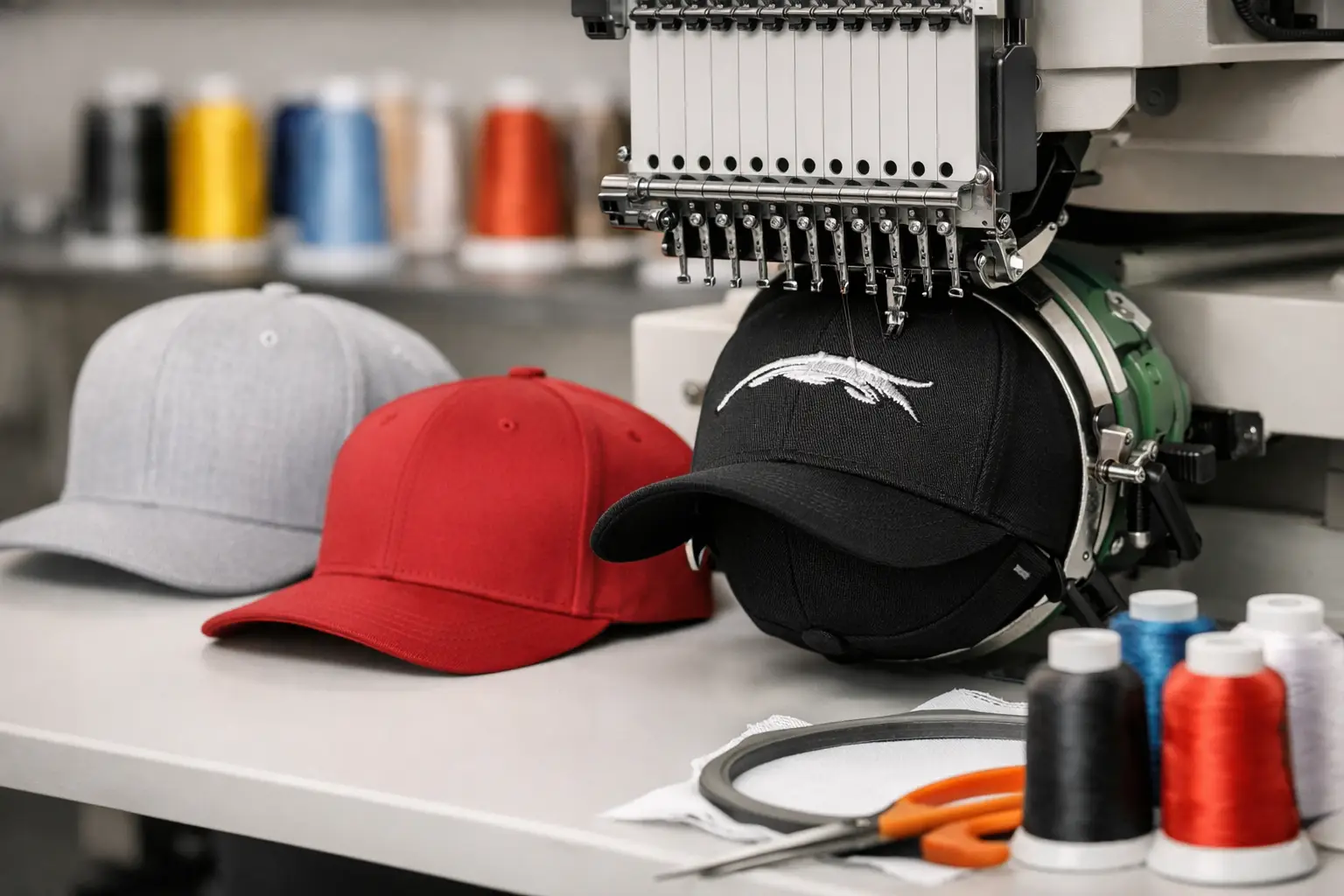
A hat that looks sharp on a product page can still fail in production if the logo is too detailed, the panel structure is wrong, or the stitch area is working against the design. That is why knowing how to make custom embroidered hats starts with more than picking a color and uploading a file. For businesses ordering branded headwear, the real goal is a finished cap that wears well, represents the brand cleanly, and holds up across repeat orders.
Custom embroidered hats are one of the most effective pieces in a branded apparel program because they are practical, visible, and easy to issue across teams. They also carry less sizing complexity than shirts or outerwear. But embroidery has rules. The more you understand those rules before production, the better your final result will look.
How to make custom embroidered hats the right way
The process usually begins with purpose, not decoration. A sales team may need polished caps for trade shows. A construction company may need durable work caps for crews in the field. A school or nonprofit may want an approachable promotional item that fits a wide range of people. Each use case affects the best hat style, logo size, thread treatment, and price point.
Once the purpose is clear, the next decision is the cap itself. Structured trucker hats, low-profile dad caps, performance caps, and fitted athletic styles all embroider differently. A structured front gives the embroidery more support and is often the best choice for bold corporate logos. Softer unstructured caps can look more relaxed, but fine details may not hold the same crisp definition. If presentation matters most, a stable front panel usually gives the cleanest result.
Material matters too. Cotton twill is dependable and widely used for embroidered caps. Performance fabrics can work very well, especially for active or outdoor teams, but the texture may influence stitch appearance. Mesh-back truckers are popular and breathable, though decoration is typically limited to the solid front panels. When consistency across departments or locations matters, choosing a proven cap program from a recognized brand helps protect quality on future reorders.
Start with a logo that can actually be embroidered
One of the biggest mistakes in custom hat production is assuming a print-ready logo is also embroidery-ready. It often is not. Embroidery translates artwork into stitches, and stitches need enough space to form clean shapes. Very small text, thin outlines, subtle gradients, and highly detailed icons can all become problems once sewn into fabric.
If you are figuring out how to make custom embroidered hats for a business logo, simplify first. A strong embroidered logo usually uses solid shapes, readable lettering, and enough contrast between thread colors and cap color. If the original mark includes tiny taglines or intricate texture, it may need a hat-specific version. That is not a downgrade. It is good production planning.
Digitizing is the step that turns artwork into an embroidery file. This is where stitch type, direction, density, pull compensation, and sequencing are set for the machine. It has a major impact on the final appearance. Two shops can use the same logo and produce noticeably different hats depending on digitizing quality. For business orders, that matters because one clean setup can support future reorders, department rollouts, and multi-location consistency.
Proofing is just as important. A digital proof helps confirm placement, scale, thread colors, and overall balance before production begins. It is the moment to catch issues like a logo that feels too small on a high-profile cap or a thread color that disappears against dark fabric. A short review at proof stage can prevent a costly rerun later.
Choosing the best embroidery style for your hats
Standard front embroidery is the most common choice, and for good reason. It is professional, versatile, and works well for most company logos. Left-side or back embroidery can add a name, website, or secondary mark, but more decoration also means more cost and more visual complexity. In many cases, a clean front logo is the strongest option.
For brands that want more dimension, 3D puff embroidery can create a raised look that stands out on caps with enough structure to support it. This style works best for bold lettering or simple shapes. It is not ideal for fine detail. Flat embroidery, on the other hand, is better for logos with smaller elements and cleaner line control. The right choice depends on the artwork, the cap construction, and the brand image you want to project.
Placement should be handled with care. Front center is standard, but size and vertical position affect how premium the cap looks when worn. If the logo sits too high, it can feel awkward. Too low, and it may distort across the curve of the crown. This is where production experience matters. Good placement is subtle, but people notice when it is off.
Match the hat to the job
Not every custom embroidered hat should solve the same problem. For employee uniforms, comfort and durability usually matter more than trend. For event giveaways, broad appeal and approachable pricing may take priority. For executive gifting or client kits, elevated retail-inspired styles often make a stronger impression.
That is why product selection should stay tied to how the hats will actually be used. A premium brand mark sewn onto a bargain cap may send the wrong signal. On the other hand, ordering an expensive lifestyle hat for a large outdoor crew program may not be practical. The best result is usually a balance of brand presentation, wearability, and budget discipline.
Recognized cap brands can also make a difference. Buyers managing recurring programs often prefer products with reliable fit, dependable inventory, and consistent construction. That becomes even more valuable when you need to reorder six months later and want the same look across locations or hiring waves.
Production details that affect the finished result
Embroidery looks straightforward from the outside, but several production factors shape the final cap. Thread color matching is one. Certain brand colors convert beautifully to thread, while others need close approximations. A dependable production partner will help you choose thread colors that stay true to your brand without forcing detail that the medium cannot support.
Stitch count affects both cost and appearance. More stitches do not always mean a better logo. In fact, overly dense embroidery can make a design stiff, bulky, or distorted. Clean digitizing balances coverage and clarity without overworking the fabric.
Hat construction also influences results. Seams on the front panel, especially on lower-profile styles, can interfere with logos if the artwork is wide or centered too aggressively. Curved surfaces can shift the look of straight lines. Fabric stretch can change how stitches sit. These are all manageable issues, but only if they are considered before the machines start running.
Turnaround planning matters as well. If hats are needed for onboarding, a company event, or a trade show, build in time for art preparation, proof approval, and production. Fast service is valuable, but rushed approvals often create preventable mistakes. A smooth process depends on clear artwork, prompt proof review, and realistic expectations around volume and decoration complexity.
How to order custom embroidered hats with fewer surprises
If you want the process to stay efficient, begin with four decisions: the hat style, the logo version, the quantity, and the in-hand date. Those details answer most of the practical production questions upfront. They also make it easier for an embroidery partner to guide you toward the best cap and decoration approach.
For first-time orders, ask whether the logo needs simplification for embroidery and whether the selected cap supports the design well. For larger programs, ask about art retention, reorder consistency, and proofing standards. Those conversations matter more than chasing the lowest unit price. A hat that arrives on time, fits the brand, and can be reordered accurately is usually the better value.
This is also where working with an experienced domestic production team can make the process easier. In-house digitizing, proofing, and embroidery create stronger quality control and better accountability when timelines matter. For business buyers, that reliability is not a bonus. It is part of the product.
If you are learning how to make custom embroidered hats for a business, think beyond the sample image. Think about logo clarity, cap structure, repeatability, and the impression the hat makes once it is on your team. The best custom hats are not just decorated. They are built to represent your brand well, wear after wear.
Popular Blogs
What File Formats Does Embroidery Accept?
October 12, 2026