Best Company Apparel Store for Employees
- April 3, 2026
- 3:45 am
A company apparel store for employees sounds simple until five departments want five different polos, managers need approvals, new hires need gear fast, and someone notices the logo color changed between orders. That is usually the moment a basic swag idea turns into an operational project.
When the store is set up correctly, it does more than distribute shirts and jackets. It helps standardize brand presentation, reduce order errors, simplify reorders, and give employees access to apparel they will actually wear. For HR teams, office managers, and procurement leaders, that means less back-and-forth and better control over spend, sizing, and consistency.
What a company apparel store for employees should actually do
At its best, a company apparel store for employees is not just an online catalog with a logo dropped onto random products. It is a structured ordering system built around your brand standards, workforce needs, and approval process.
Some companies need a simple employee store for occasional spirit wear and onboarding kits. Others need a more controlled program for uniforms, field teams, trade shows, and seasonal outerwear. The right setup depends on who is ordering, how often they order, and whether you need centralized billing, employee-paid purchases, or a mix of both.
That trade-off matters. A wide-open store gives employees more freedom, but it can also create brand inconsistency if too many garment styles, logo placements, or colors are available. A tightly controlled store protects the brand, but it can feel restrictive if employees want options that fit different roles, climates, or personal preferences.
Why companies move from ad hoc ordering to an employee apparel store
Manual ordering works for a while. Then the same issues keep surfacing. Teams reorder old items with outdated logos. Managers email spreadsheets with missing sizes. New employees wait too long for branded apparel because no one has a standard process.
A dedicated store solves those problems by creating repeatable structure. Approved apparel is already selected. Decoration methods are already determined. Artwork is already proofed. That removes friction from every future order.
It also improves the employee experience. Staff members are more likely to wear branded apparel when it looks polished, feels comfortable, and fits their work environment. A warehouse team may need durable workwear and safetywear. Office staff may prefer embroidered polos, quarter-zips, and lightweight outerwear. Sales teams may want premium brands for events and travel. One store can support all of that if the assortment is planned well.
Choosing the right products for your employee apparel store
The best stores are built around real use cases, not just popular categories. Start with job function. If your employees work outdoors, lightweight polos alone will not be enough. If they meet with customers daily, presentation matters as much as durability.
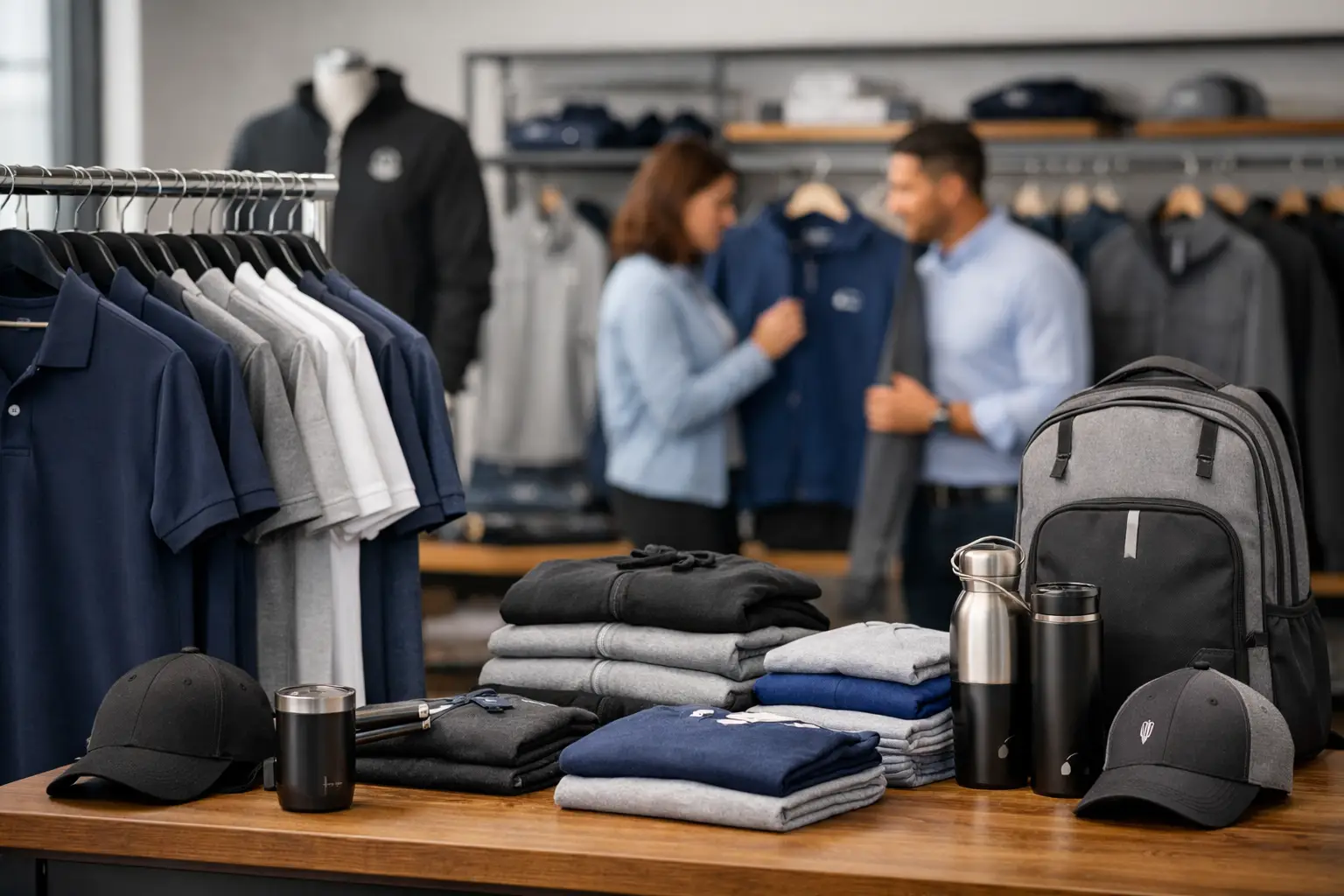
A practical store usually includes a core group of essentials and a smaller set of role-specific items. Core pieces often include polos, t-shirts, fleece, caps, and outerwear. Role-specific items may include high-visibility apparel, company uniforms, work shirts, performance layers, or branded bags.
Brand selection matters too. Recognized names like Carhartt, The North Face, OGIO, Port Authority, Richardson, and TravisMathew can raise perceived value and increase wear rates. That said, premium brands are not always the right fit for every program. If you are outfitting a large workforce on a tight budget, balancing cost with durability is more important than chasing labels.
This is where experienced product selection makes a difference. A store should not be loaded with dozens of nearly identical garments. Too much choice slows decisions and creates inconsistent results. A better approach is to offer a curated range that covers different climates, job types, and budgets while still protecting the brand.
Branding standards matter more than most teams expect
The logo is only one part of the program. Placement, thread colors, print size, garment color, and decoration method all affect how polished the finished apparel looks.
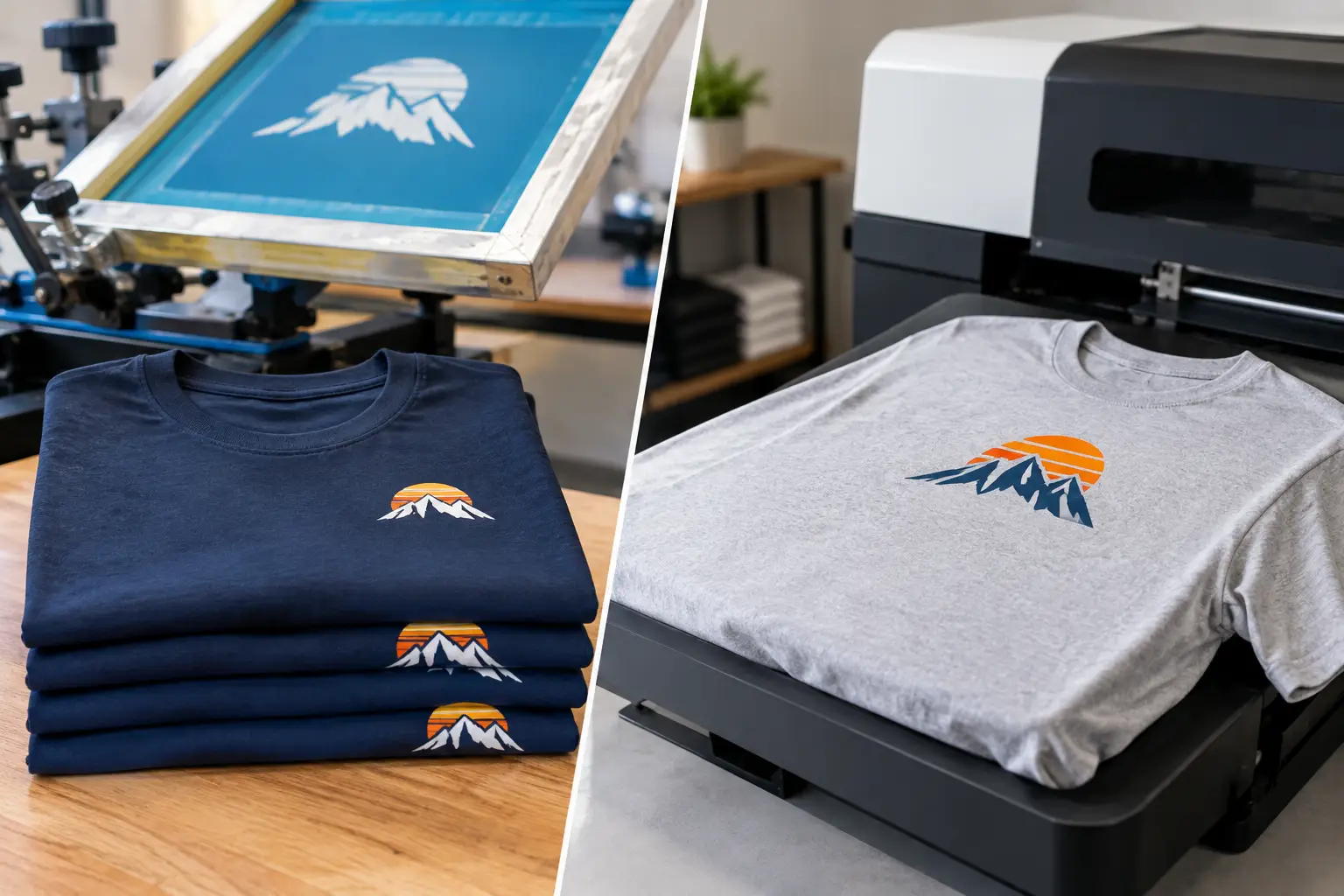
Embroidery is usually the right choice for polos, jackets, hats, and many uniforms because it gives the logo dimension and a professional finish. Screen printing often works better for t-shirts, event apparel, and graphics with larger coverage. In some cases, the right answer depends on fabric type, logo detail, and expected wear.
That is why digital proofing and in-house production control are so valuable. Once artwork is approved and decoration specs are set, repeat orders become easier to manage. You are not re-explaining logo sizing or placement every time. You are ordering from a controlled standard.
A strong employee store should also account for logo hierarchy. Some companies need one master logo for all products. Others need approved variations by division, location, or department. If that structure is not defined early, the store can become messy fast.
How ordering and approvals should work
The most effective company apparel store for employees makes ordering feel easy without giving up control. That balance usually comes down to permissions.
Some businesses want employees to shop and pay directly for optional apparel. Others want department managers to approve each order before production. Larger organizations may need company-funded allowances, cost-center billing, or location-specific access to products.
There is no single best model. It depends on how your organization is structured. A smaller business may want speed and simplicity. A multi-location company may need stronger controls to keep branding and budgets aligned. What matters is that the process is clear from the start.
If reorders are common, speed matters too. Once products, logos, and decoration specs are established, production should move efficiently. For many business buyers, reliability beats novelty. They want to know that six months from now the same embroidered polo will look the same and arrive on time.
What to look for in a supplier
A company apparel store is only as reliable as the production team behind it. Strong ecommerce tools help, but they are not enough on their own. You also need decoration expertise, proofing accuracy, responsive support, and consistent execution.
That is especially true when brand presentation is on the line. A clean online store means very little if the stitching is uneven, the print feels cheap, or substitutions create mismatched results between orders.
Look for a partner that can handle the full process with accountability – product selection, logo setup, art support, proofing, decoration, and production. Domestic production can also be a major advantage when turnaround time and quality control matter. If your business is rolling out apparel for onboarding, events, field teams, or ongoing uniform needs, predictability is part of the value.
An experienced supplier should also help you think through practical details before the store launches. Which items are best for embroidery? Which garments hold up well in industrial or outdoor environments? Which brands fit your price point without sacrificing appearance? Those are not minor questions. They shape whether the program works long term.
Common mistakes that weaken employee apparel programs
The first mistake is building the store around what leadership likes instead of what employees will wear. A sharp-looking jacket may impress in a meeting, but if it is too heavy, too expensive, or wrong for the work environment, it will sit unused.
The second is offering too many options too early. More products do not automatically create a better experience. They often create confusion, slower approvals, and uneven branding.
The third is treating decoration as an afterthought. Not every logo works well on every garment. Fine detail may need adjustment for embroidery. Large graphics may require print methods that suit the fabric. If that work is not handled upfront, the finished apparel suffers.
Another common issue is ignoring replenishment. A store should not be built only for launch day. It should support repeat ordering for new hires, replacement garments, team expansions, and seasonal updates.
Building a store employees will actually use
The strongest apparel programs feel easy because the hard decisions were made before launch. Products are chosen with purpose. Logos are standardized. Decoration methods are matched to the garment. Ordering rules are clear.
That is where a full-service partner can save time and prevent expensive missteps. From branded polos and caps to outerwear, uniforms, bags, and workwear, the goal is not to put a logo on everything. It is to create a polished, dependable program that supports your brand every day.
For businesses that want a more controlled and professional approach, a store built with in-house decoration, digital proofing, and dependable production timelines can turn employee apparel from a recurring hassle into a repeatable system. At LOGO USA, that is the difference between placing orders and building a program that lasts.
If you are planning an employee store, start with the real-world question that matters most: what do your teams need to wear, and what do you need the brand to say when they wear it?
Popular Blogs
What File Formats Does Embroidery Accept?
October 12, 2026