
Apparel Proof Approval Gets Your Order Right
- November 1, 2026
- 2:51 am
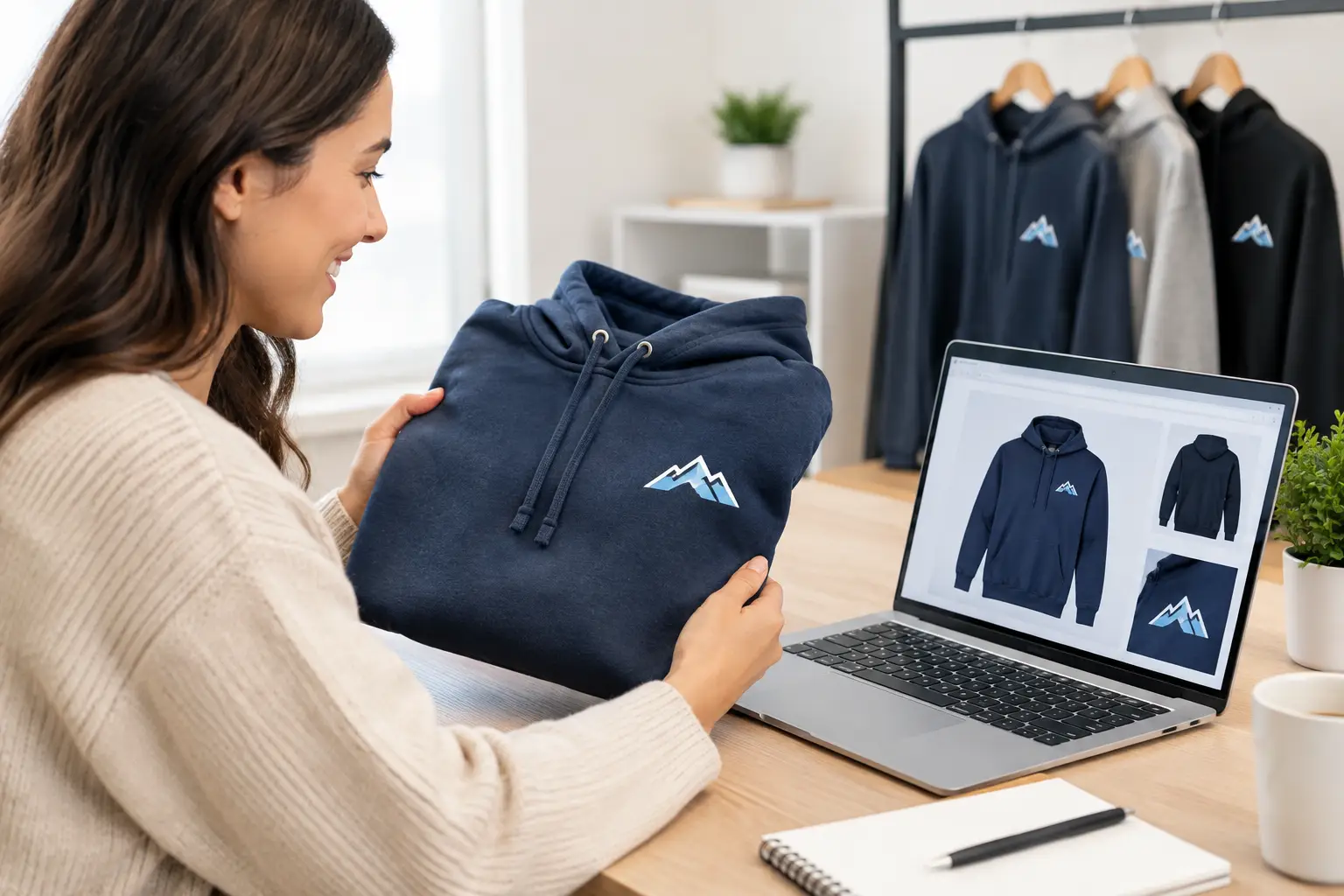
A left-chest logo that is one inch too low, a thread color that reads differently against navy, or a misspelled department name can turn a polished uniform program into an expensive distraction. Apparel proof approval is the production checkpoint that helps prevent those problems before a single polo, cap, jacket, or T-shirt is decorated.
For business buyers, approving a proof is not a formality. It is the moment to confirm that the finished apparel will represent your company the way it should: consistent, professional, and ready for employees, customers, or event attendees to see. A careful review also keeps the order moving. Once artwork is approved, production can begin with a clear standard for quality.
What Apparel Proof Approval Actually Confirms
A digital proof is a visual representation of how your logo or artwork is planned to appear on the selected product. It gives you a chance to verify the decoration before production, whether the job calls for embroidery, screen printing, or another approved application method.
The proof should show more than your logo floating on a blank page. It should identify the garment or product, decoration location, approximate design size, and the artwork that will be used. Depending on the order, it may also show thread colors, ink colors, a left-chest placement indicator, sleeve location, cap panel, or back print position.
This step matters because artwork can behave differently from one item to another. A detailed logo that looks sharp on a large screen-printed T-shirt may need to be simplified or resized for embroidery on a structured cap. A dark logo may be difficult to see on a charcoal hoodie. A tall design may not fit comfortably within the available chest area of a ladies’ polo. The proof creates the opportunity to catch those practical issues while changes are still simple.
For recurring orders, the approved proof also becomes a useful point of consistency. The next order can be produced from the same approved decoration standards, helping maintain a uniform look across locations, departments, and seasons.
What to Check Before You Approve an Apparel Proof
Review the proof with the same care you would give a business card, sign, or customer-facing presentation. Your apparel may be worn every day, photographed at events, and seen by prospective customers. Small details carry real weight.
Start with the artwork itself. Confirm the company name, tagline, spelling, punctuation, trademark symbols, and any date or event information. If there are multiple versions of your logo, make sure the correct one is shown. This is particularly important when different departments, franchises, or divisions have related but distinct marks.
Next, check placement. “Left chest” is a common location, but the final placement can vary slightly based on garment style, size range, pockets, seams, and decoration method. Make sure the proof reflects the intended location, whether that is left chest, full front, full back, sleeve, nape, cap front, or another area. If your order includes more than one garment style, ask whether placement will be adjusted as needed to look balanced on each item.
Then look closely at scale. A design may be technically readable but still feel too small for a back print or too large for a lightweight polo. Consider the purpose of the apparel. A subtle embroidered chest logo is often right for executive outerwear and employee uniforms. A larger, high-visibility print may be better for volunteer shirts, trade show giveaways, or construction crews that need easy identification from a distance.
Color deserves a deliberate review as well. On-screen color is a useful reference, but it is not a physical sample. Monitor settings, fabric texture, garment dye lots, thread sheen, and ink types can affect how colors appear. Confirm that the chosen garment color supports the logo and that the requested thread or ink colors align with your brand standards. If an exact match is essential, communicate that before approval rather than assuming a digital display tells the entire story.
Finally, verify quantities and garment details against the order. The proof focuses on decoration, but it is wise to confirm the product style, color, and size breakdown at the same time. A perfect logo on the wrong jacket is still the wrong order.
Why Decoration Method Changes the Proof Review
Not all logo applications have the same requirements. The best apparel proof approval process accounts for how the design will be produced, not just how it looks as a flat image.
Embroidery: Detail Has Limits
Embroidery adds depth, durability, and a premium finish that works especially well on polos, caps, fleece, workwear, and outerwear. It also has physical limitations. Very small lettering, fine lines, subtle gradients, and tightly packed details may not stitch cleanly at a small size.
That does not mean the logo cannot be embroidered. It means the artwork may need a practical adjustment, such as increasing the size, widening thin type, removing tiny details, or using a simplified logo version. These changes protect legibility and produce a cleaner finished result. An experienced decoration team should flag concerns before production instead of trying to force an unsuitable design through the machine.
Ask whether the proof reflects the final digitized embroidery plan or simply the original logo art. Digitizing translates artwork into stitch instructions, and that process determines stitch direction, density, underlay, and the way the logo holds its shape on fabric. For brand-critical embroidery, this production knowledge matters as much as the original file.
Screen Printing: Size and Contrast Lead the Decision
Screen printing is a strong option for larger artwork, bold graphics, event apparel, and higher-quantity T-shirt orders. During proof review, pay close attention to print size, ink colors, and contrast against the garment.
A black print on a heather dark gray shirt may look sharp on a bright screen but get lost in real use. Fine details may also need adjustment when a design is printed at a large or small scale. If the artwork uses several colors, confirm that each color is intentional and necessary. Reducing unnecessary ink colors can simplify production, but only when it does not compromise your brand identity or the design’s impact.
The right method depends on the garment, logo, quantity, use case, and desired finish. There is no one-size-fits-all answer. A dependable supplier will help you choose the option that supports both the design and the way your team will wear the apparel.
Keep Approval Moving Without Rushing It
Fast turnaround starts with decisive, organized approval. The goal is not to rush past questions. It is to put the right people in the review process before the proof arrives.
Choose one final decision-maker whenever possible. When approvals pass through several departments without a clear owner, minor revisions can stretch into days. Marketing may need to confirm brand standards, operations may need to confirm uniform placement, and procurement may need to confirm the order details. Those voices matter, but one person should consolidate feedback and submit a single, clear response.
When requesting a revision, be specific. Instead of saying, “Make it bigger,” say, “Please increase the back logo width by approximately two inches and keep it centered below the collar.” Instead of saying, “Use our blue,” provide the approved brand reference if available. Clear direction reduces revision cycles and protects your production schedule.
It is also helpful to review the proof at actual viewing size. Zooming in can help you inspect detail, but it can make a chest logo seem larger than it will be in real life. Step back and consider how the design will read from normal conversational distance. For field teams, event staff, or public-facing employees, visibility may be a priority. For premium corporate apparel, restraint may better fit the brand.
At LOGO USA, artwork approval gives the production team a confirmed blueprint before USA-based decoration begins. That alignment supports reliable 7-10 day production after art approval while keeping quality and accountability at the center of the order.
Common Approval Mistakes That Create Avoidable Delays
The most common issue is approving too quickly because the logo “looks close enough.” A proof is the right place to question placement, color contrast, size, and wording. Once decorated goods enter production, changes may require rework or a new order.
Another mistake is reviewing the logo without reviewing the garment. The same design can look different on a performance polo, heavyweight sweatshirt, structured cap, or soft shell jacket. Fabric weight, seams, pockets, and available decoration area all influence the final appearance.
Buyers can also run into trouble by assuming a previous order automatically matches a new one. If the garment style, color, logo version, or decoration method has changed, it deserves a fresh proof review. Consistency is built through confirmation, not assumption.
The final mistake is treating approval as an email checkbox rather than authorization to produce. Before you approve, make sure the proof represents what you are prepared to receive. If anything is unclear, ask the question now. A production partner should be ready to explain the recommendation and help you make a confident decision.
A well-reviewed proof does more than prevent errors. It gives your team a clear expectation for the finished product, protects your brand standards, and lets production move forward with purpose. Take the extra few minutes to approve with confidence, and the apparel your people wear can do its job from the first day it arrives.
Popular Blogs
12 Employee Welcome Kit Ideas for New Hires
November 11, 2026