Carhartt Logo Apparel Review for Business Use
- July 8, 2026
- 2:03 am
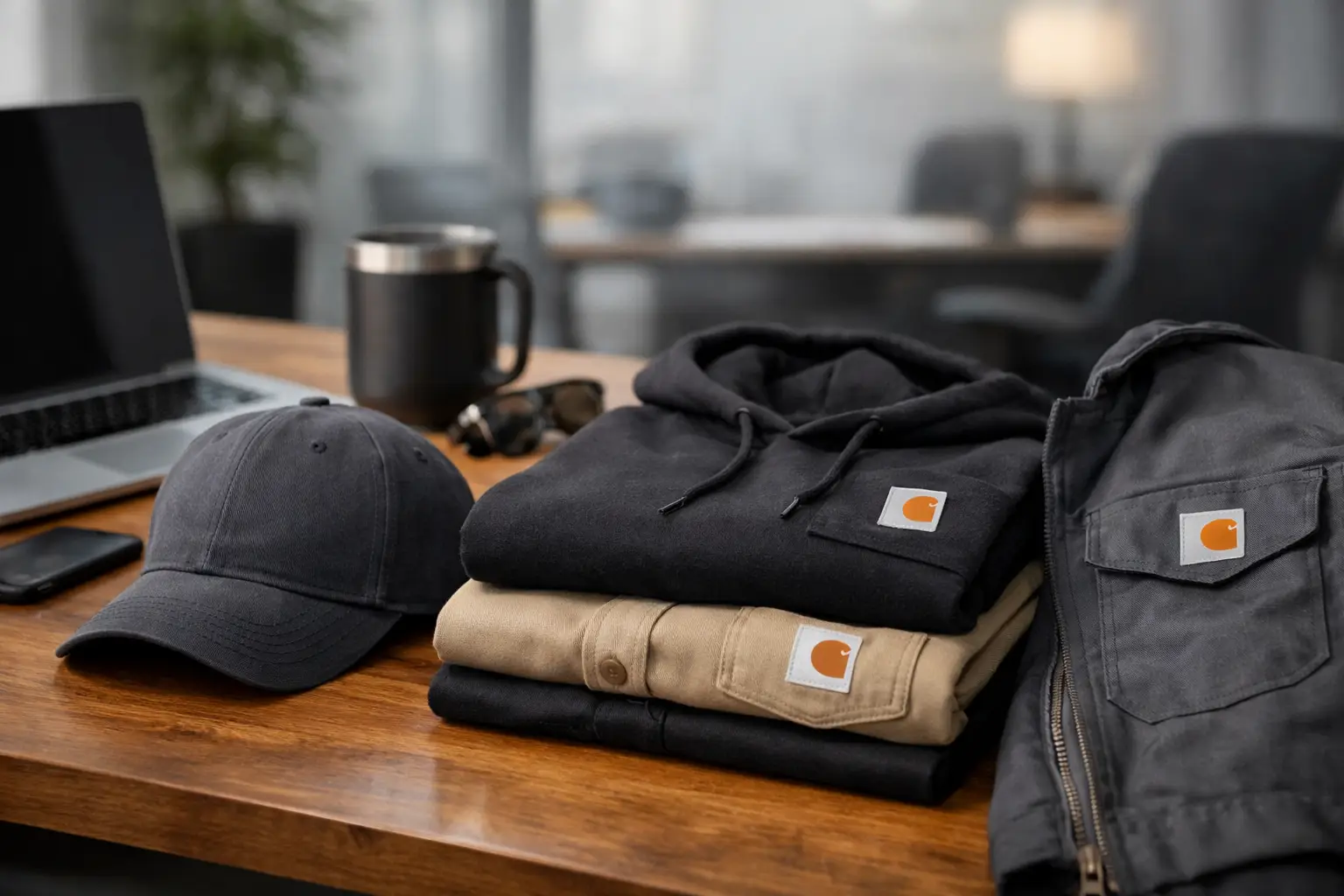
A jacket that still looks sharp after jobsite wear, repeated washing, and daily branding exposure earns its place in a company apparel program. That is the real test behind any carhartt logo apparel review, especially for businesses buying for crews, managers, field teams, and customer-facing staff who need gear that works as hard as they do.
Carhartt carries a reputation that few workwear brands can match. For business buyers, though, brand recognition alone is not enough. You need to know how the apparel wears over time, how well it accepts embroidery or print, whether employees will actually use it, and if the cost makes sense across a larger order. That is where a more practical review matters.
Carhartt logo apparel review: what stands out first
The first thing Carhartt gets right is credibility. When employees receive a Carhartt hoodie, jacket, vest, or beanie with a company logo, it rarely feels like throwaway promo gear. It feels like a real piece of apparel with value beyond the event or workday. That matters because branded apparel only works when people keep wearing it.
From a business standpoint, Carhartt performs well because it checks two boxes at once. It supports a polished company identity, and it delivers the durability expected from workwear. Many brands can do one or the other. Fewer can handle both without looking too casual or too corporate.
Carhartt logo apparel also tends to fit well into mixed-use environments. A service technician can wear a branded outerwear piece on a jobsite, while a warehouse lead or operations manager can wear the same item in a more customer-facing setting without it feeling out of place. That flexibility improves reorder value and makes standardization easier.
Durability is the biggest reason buyers choose it
If your apparel budget needs to stretch, durability is not a nice extra. It is the financial case for the purchase. Carhartt has long been known for heavyweight fabrics, dependable construction, and practical design details. In branded programs, that reputation usually holds up.
Outerwear is where the brand often performs best. Jackets and vests are built for regular use, and they tend to keep their structure better than lower-cost alternatives. Hoodies and sweatshirts also wear well, especially in environments where garments get pulled on and off all day, exposed to dust, or washed often.
That said, durability can vary by item. Not every Carhartt piece is equally heavy-duty. Some styles are designed more for everyday casual use than rugged field conditions. Business buyers should avoid assuming every garment in the line has the same performance level as the brand’s most iconic workwear pieces. The Carhartt name helps, but fabric weight, construction, and intended use still matter.
How Carhartt handles embroidery and logo decoration
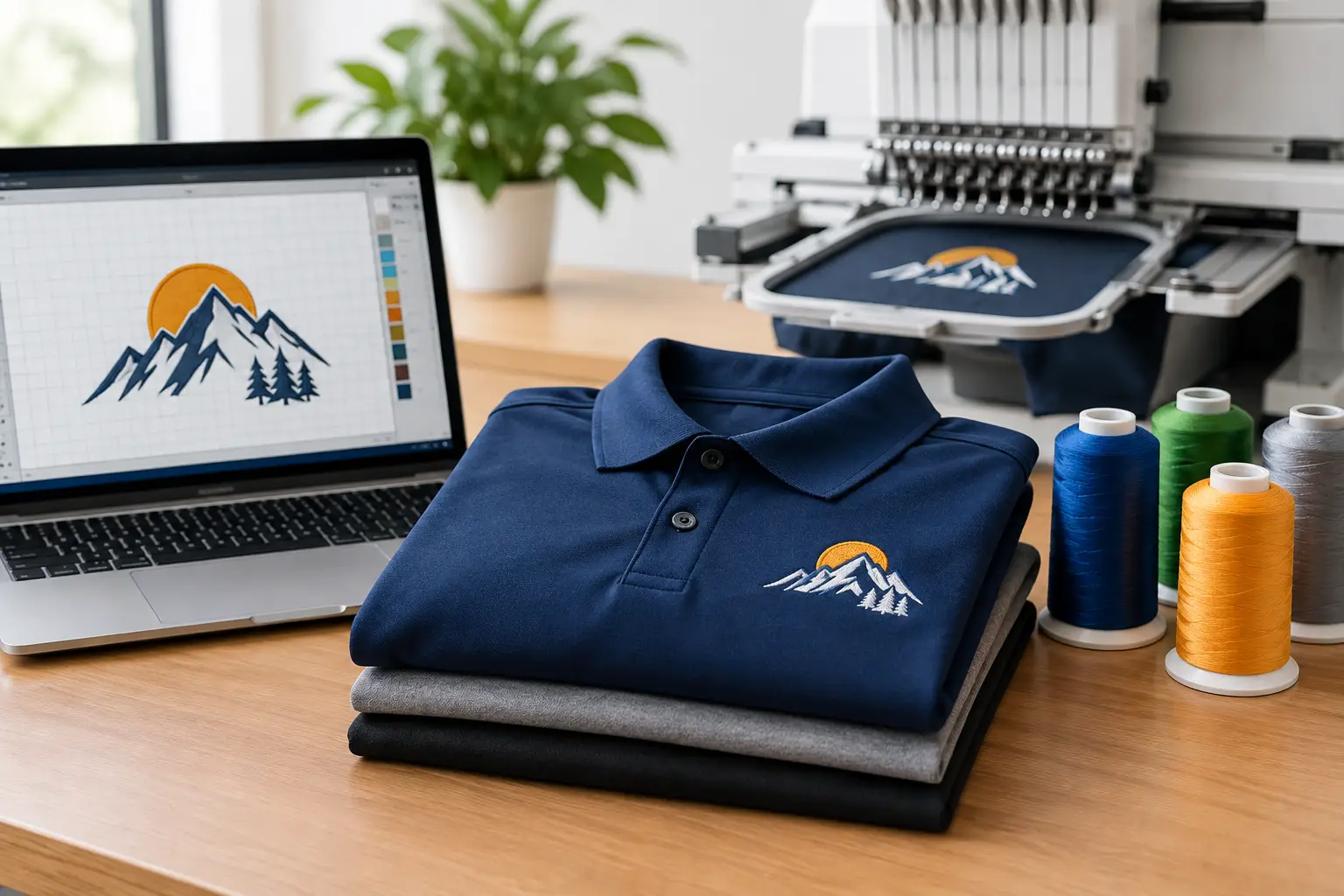
For most corporate and team programs, embroidery is the best fit for Carhartt. The brand’s heavier fabrics, structured outerwear, fleece, and caps typically take embroidered logos well. The finished result often looks substantial and premium, which is exactly what business buyers want when outfitting staff or sending branded gifts.
Placement matters more with Carhartt than with lightweight promotional basics. Many jackets, hoodies, and workwear items already have seams, pockets, linings, and the recognizable Carhartt brand mark to work around. A left chest logo is usually the cleanest option for professional use. It presents well, reads clearly, and keeps the decoration balanced with the garment’s own branding.
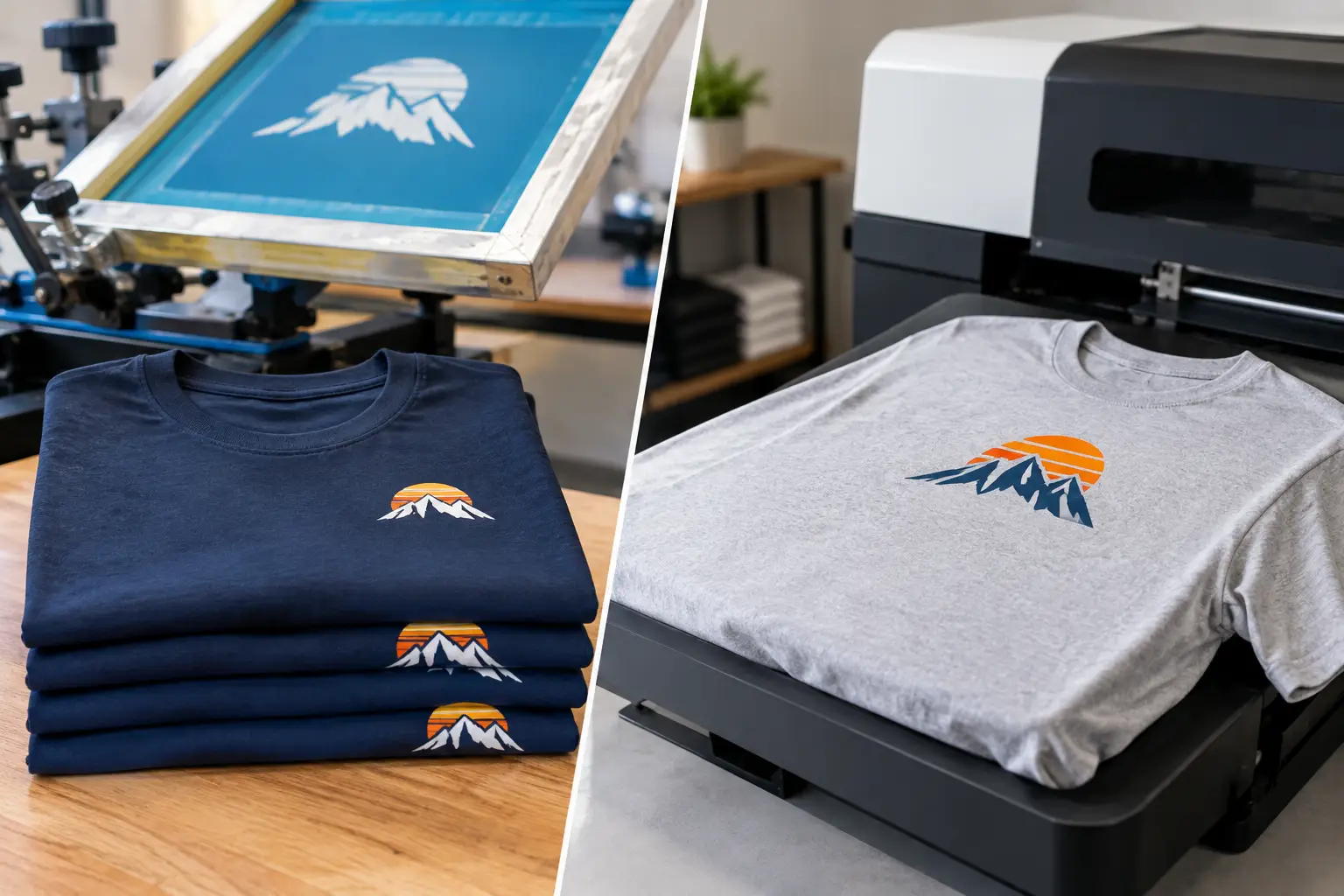
Screen printing can work on selected Carhartt t-shirts, sweatshirts, and some fleece styles, but it is not always the first choice. Heavier or textured materials may not give the same crisp printed effect you would expect from a standard tee program. If your priority is a refined, long-lasting branded look, embroidery usually wins.
This is also where production experience matters. Carhartt is a premium blank, and the decoration should match that standard. Clean digitizing, proper backing, and careful placement make the difference between a logo that looks integrated and one that looks added as an afterthought.
Fit, comfort, and employee adoption
One of the most overlooked parts of any apparel review is whether people will actually wear the item once they receive it. Carhartt usually performs well here because the brand already has built-in acceptance. Employees know it, trust it, and in many industries, genuinely prefer it.
Fit tends to lean practical rather than fashion-forward. That is usually a positive for business use. Carhartt garments are made to move, layer, and handle active work environments. For uniforms and employee gear, that means fewer complaints about restrictive cuts or overly slim sizing.
Still, fit is not one-size-fits-all in the broader sense. Some teams will appreciate roomier workwear cuts, while others may want a more modern silhouette for office, sales, or event use. If your workforce includes both field and front-office staff, it may make more sense to use Carhartt selectively rather than as the only brand across every role.
Comfort also depends on climate and use case. Heavyweight sweatshirts and insulated outerwear are excellent for cooler conditions, but they may be too warm for year-round indoor wear or southern markets. Carhartt shines when the environment matches the product.
Where Carhartt makes the most sense in branded programs
Carhartt is especially strong for construction, transportation, logistics, utilities, manufacturing, service trades, municipalities, and industrial operations. In those settings, the brand supports both function and image. It tells employees you invested in quality, and it tells customers your team is equipped to do serious work.
It also works well for milestone gifts, safety recognition, recruiting kits, and premium client merchandise. A branded Carhartt jacket or beanie often has a much longer life than a standard promotional item. That longer wear cycle increases brand exposure and improves perceived value.
Where it may be less ideal is in highly formal office environments, hospitality programs requiring a more tailored appearance, or budget-driven campaigns where quantity matters more than garment lifespan. If you are outfitting hundreds of event volunteers for a single use, Carhartt may be more brand than you need.
Cost versus value in a Carhartt logo apparel review
Carhartt is not the lowest-cost option, and it should not be judged like one. The better question is whether the value holds up over time. In many business settings, it does.
A cheaper hoodie that pills quickly, shrinks, or gets left in the back of a closet is not actually less expensive if it fails to support your brand. Carhartt often delivers better long-term value because employees keep wearing it. That is especially true for outerwear and headwear, where repeat use over months or years can justify the higher unit price.
There are trade-offs. Premium pricing can limit style variety in a larger rollout. It can also push buyers to reserve Carhartt for leadership teams, field crews, anniversaries, or select departments instead of making it the standard across every category. That is not a weakness so much as a planning reality.
A smart branded apparel program does not always use one brand for everything. It uses the right brand where it adds the most impact.
What business buyers should watch before ordering
The strongest Carhartt orders usually start with role-based thinking. Decide who will wear the item, where they will wear it, and what message it should send. A rugged duck jacket for field supervisors serves a different purpose than a fleece vest for account managers or a beanie for winter trade shows.
You will also want to confirm logo size and thread color choices carefully. Carhartt garments often come in darker, earth-toned, or heathered colors, which can affect contrast. A logo that looks perfect on a white proof may need adjustment to stand out properly on black, brown, or gravel gray apparel.
Stock planning matters too. Popular Carhartt styles move quickly, especially in core sizes and seasonal outerwear. If your program depends on consistency across multiple locations or reorders, it helps to choose proven styles and align approvals early.
For companies that want durable branded workwear with a premium finish, Carhartt remains one of the strongest options in the market. The best results come when the product, decoration method, and work environment are aligned from the start. When that happens, branded Carhartt does more than carry a logo – it reinforces the quality of the business behind it.
If your team needs apparel people will respect, wear often, and associate with real value, Carhartt is usually a smart place to invest.
Popular Blogs
What File Formats Does Embroidery Accept?
October 12, 2026