Custom Corporate Apparel That Works Hard
- July 6, 2026
- 3:12 am

A wrinkled giveaway tee and a well-fitted embroidered polo do not send the same message. When employees meet customers, work trade shows, visit jobsites, or represent your company in the field, what they wear shapes how your brand is perceived in seconds. That is why custom corporate apparel is not just a nice extra. It is part of how a business looks organized, credible, and ready to deliver.
For many companies, apparel starts as a simple order and quickly becomes something bigger. One department needs polos for the office. Another needs safetywear for the warehouse. Sales wants branded outerwear for travel. HR needs new-hire kits. Marketing wants event shirts that actually look good. The challenge is not only putting a logo on a garment. It is choosing the right products, decoration method, and ordering process so the result stays consistent across teams and over time.
Why custom corporate apparel matters
Professional presentation is the most obvious reason businesses invest in branded clothing, but it is not the only one. Consistent apparel helps customers identify your staff, especially in retail, hospitality, service, healthcare, and field operations. It also creates a stronger internal sense of team identity. Employees are more likely to wear branded gear regularly when it feels polished, fits well, and holds up after repeated washing.
There is also a practical side. Standardized apparel reduces guesswork. Instead of every location or manager choosing something different, a business can create a repeatable system for uniforms, event wear, or seasonal outerwear. That matters for growing companies and enterprise programs where brand consistency is closely watched.
The return is not always measured in a direct line item. Sometimes it shows up in cleaner customer-facing interactions, better event visibility, or a more put-together workforce. Sometimes it shows up in fewer ordering mistakes because the products and artwork have already been approved.
Choosing custom corporate apparel for real-world use
The best apparel programs begin with the job the garment needs to do. A soft retail tee may work perfectly for a one-day promotion, but it is a poor fit for a customer service team that needs a more polished appearance. A premium quarter-zip can elevate a sales meeting, yet it may not be the right choice for crews working outdoors every day.
Start with the wear environment. Office staff, trade show teams, restaurant groups, drivers, technicians, and construction crews all need different things from their apparel. Comfort matters, but so do durability, layering, stain resistance, visibility, and ease of care.
Brand image matters too. If your company presents itself as premium, the garment should support that position. Recognized brands and better fabric weights can make a visible difference. If the goal is volume for a community event or company-wide campaign, value and size range may carry more weight than premium detailing. There is no single right answer. The best choice depends on who is wearing the item, how often, and in what setting.
Polos, tees, outerwear, and uniforms each serve a different purpose
Polos remain a strong choice for many business buyers because they strike a middle ground between comfort and professionalism. They work well for office teams, sales staff, hospitality groups, and customer-facing service roles. T-shirts tend to fit event programs, casual workplaces, internal campaigns, and promotional use. Sweatshirts and fleece are practical for cooler environments and often get strong repeat wear because employees genuinely like them.
Outerwear deserves more planning than it usually gets. Jackets, vests, and pullovers often become high-visibility pieces because they are worn in public, while traveling, or at jobsites. That makes decoration quality especially important. Workwear and safetywear need another level of consideration, since function can outweigh style. Fabric performance, placement, and compliance can all affect the final recommendation.
Embroidery or screen printing?
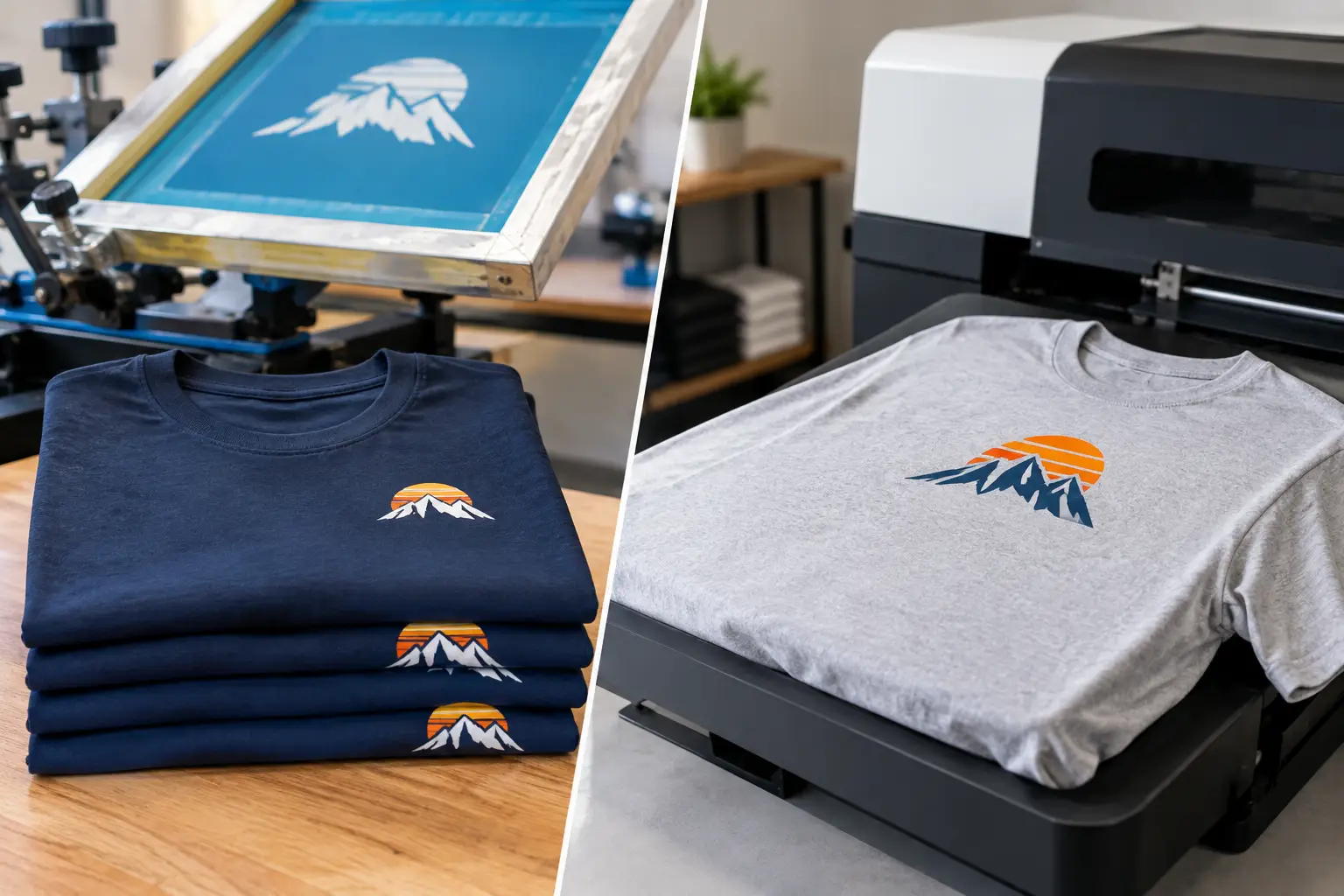
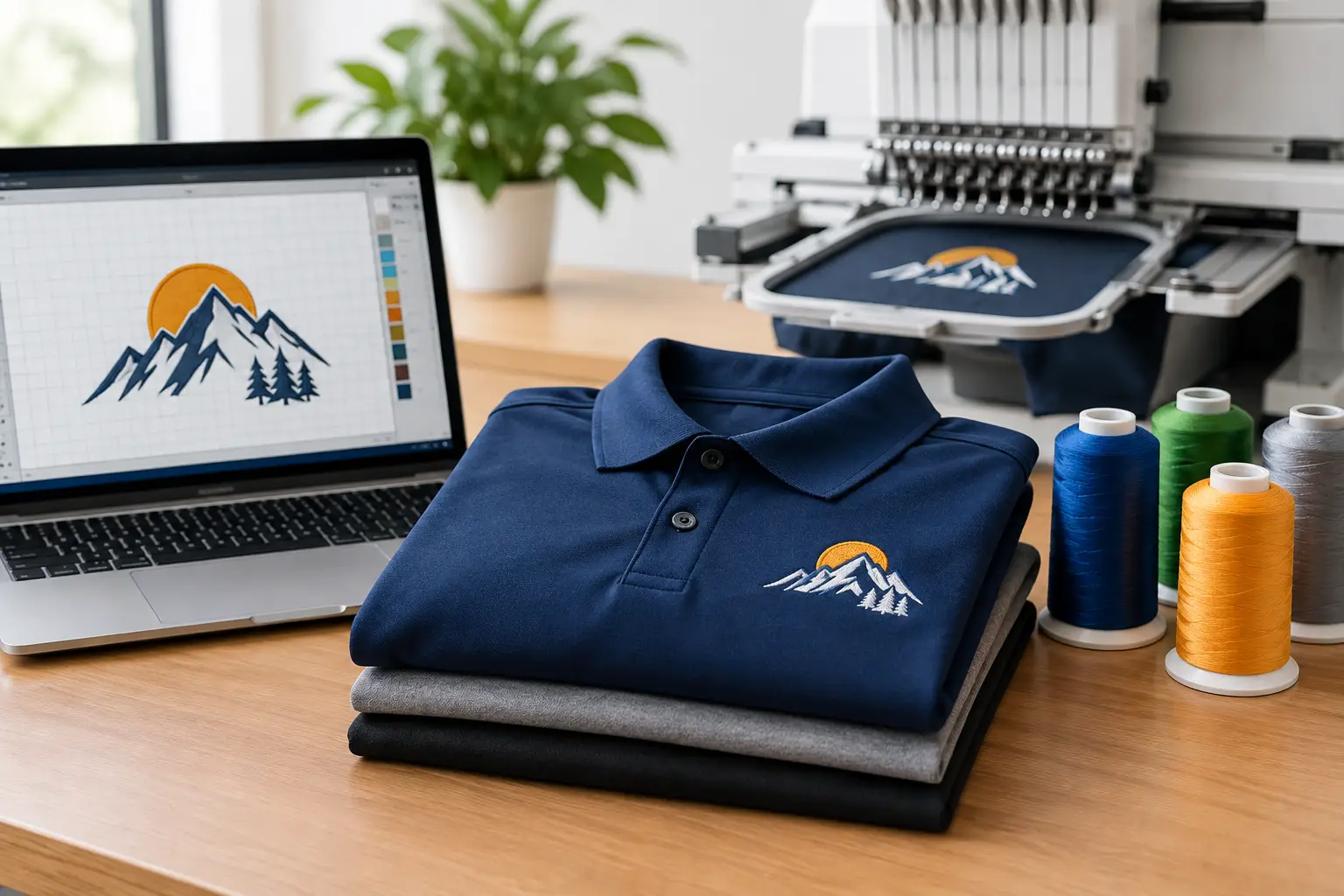
This is one of the first decisions that shapes the finished look. Embroidery is often the preferred choice for custom corporate apparel when a business wants a polished, durable result. It works especially well on polos, caps, jackets, fleece, bags, and uniforms. A stitched logo adds texture and holds up well through repeated wear, which is why many companies use it for everyday employee apparel.
Screen printing is often a better fit for larger graphics, high-volume shirt orders, and event apparel. It is typically more cost-effective on tees and sweatshirts when the design uses bold artwork and broader imprint areas. If you need a left-chest logo on premium polos for account managers, embroidery is usually the stronger choice. If you need hundreds of shirts for a company walk, recruiting push, or product launch, screen printing may be the more efficient route.
The trade-off is simple. Embroidery brings a refined, long-term look, but it is not ideal for every fabric or oversized design. Screen printing offers flexibility and impact, but the final feel and use case are different. A good apparel partner helps you match the decoration method to the garment instead of forcing one solution onto every order.
What business buyers should look for in a supplier
The product catalog matters, but production control matters more than many buyers realize. If your order includes multiple garment styles, logo placements, or departments, consistency becomes everything. The same logo should sew cleanly across polos, caps, and outerwear. Print colors should stay on brand. Sizing and product substitutions should be handled carefully, not casually.
That is why in-house decoration can make a meaningful difference. When digitizing, embroidery, screen printing, proofing, and production are managed under one roof, there is tighter oversight from approval to completion. For business buyers, that often means clearer communication, fewer surprises, and a better finished product.
Turnaround time matters too, especially when apparel supports hiring, onboarding, trade shows, incentive programs, or time-sensitive events. Fast production is valuable, but only if quality stays intact. A rushed job that arrives on time and looks uneven still creates extra work.
Service is another factor that should not be underestimated. Some orders are simple reorders. Others require guidance on garment selection, logo setup, placement, or brand standards. Buyers need a supplier that can handle both with the same level of accountability.
Building a custom corporate apparel program that lasts
One-off orders are common, but long-term apparel programs usually save time and reduce inconsistency. Instead of starting from scratch every quarter, businesses can standardize approved products, logo files, thread colors, print specs, and decoration locations. That creates a cleaner process for reorders, new locations, and employee onboarding.
This becomes even more useful when multiple stakeholders are involved. HR may manage uniforms. Marketing may oversee brand presentation. Operations may need durable workwear. Procurement may be focused on budget and repeatability. A structured program helps all of them work from the same playbook.
A well-run apparel program also allows room for tiers. Your office team may wear embroidered polos, your field staff may need high-visibility outerwear, and your leadership group may receive premium branded layers for travel and events. The pieces do not need to be identical to feel connected. They need to look intentional.
For companies that reorder regularly, company stores and managed apparel programs can simplify distribution. Employees get access to approved products, buyers maintain brand control, and repeat orders move faster because the setup work has already been done. That kind of structure is especially valuable when branding needs grow beyond a single event or department.
Getting better results from your next order
The strongest orders usually begin with a few clear decisions. Who will wear the apparel? How often will they wear it? What impression should it create? Is the priority durability, presentation, budget, or a mix of all three? Those answers shape everything from garment choice to decoration method.
It also helps to think past the first delivery. If the item works well, will you need to reorder it? Will new hires need the same style next month? Will your logo need to appear on additional products later? Choosing dependable garments and establishing clean artwork upfront makes future expansion easier.
This is where experience pays off. A seasoned production partner can spot issues before they become expensive mistakes, recommend the right apparel for the use case, and keep the final result consistent from one order to the next. For buyers who need polished branding without unnecessary friction, that support matters. LOGO USA has built its reputation around exactly that kind of dependable execution.
Good branded apparel should make your job easier. It should help your team look sharp, support your brand in the real world, and arrive ready to wear with the quality your company name deserves. When custom corporate apparel is chosen with care, it does more than carry a logo. It helps your business show up the right way every time.
Popular Blogs
What File Formats Does Embroidery Accept?
October 12, 2026