Why Custom Embroidered Corporate Apparel Works
- April 20, 2026
- 1:40 am
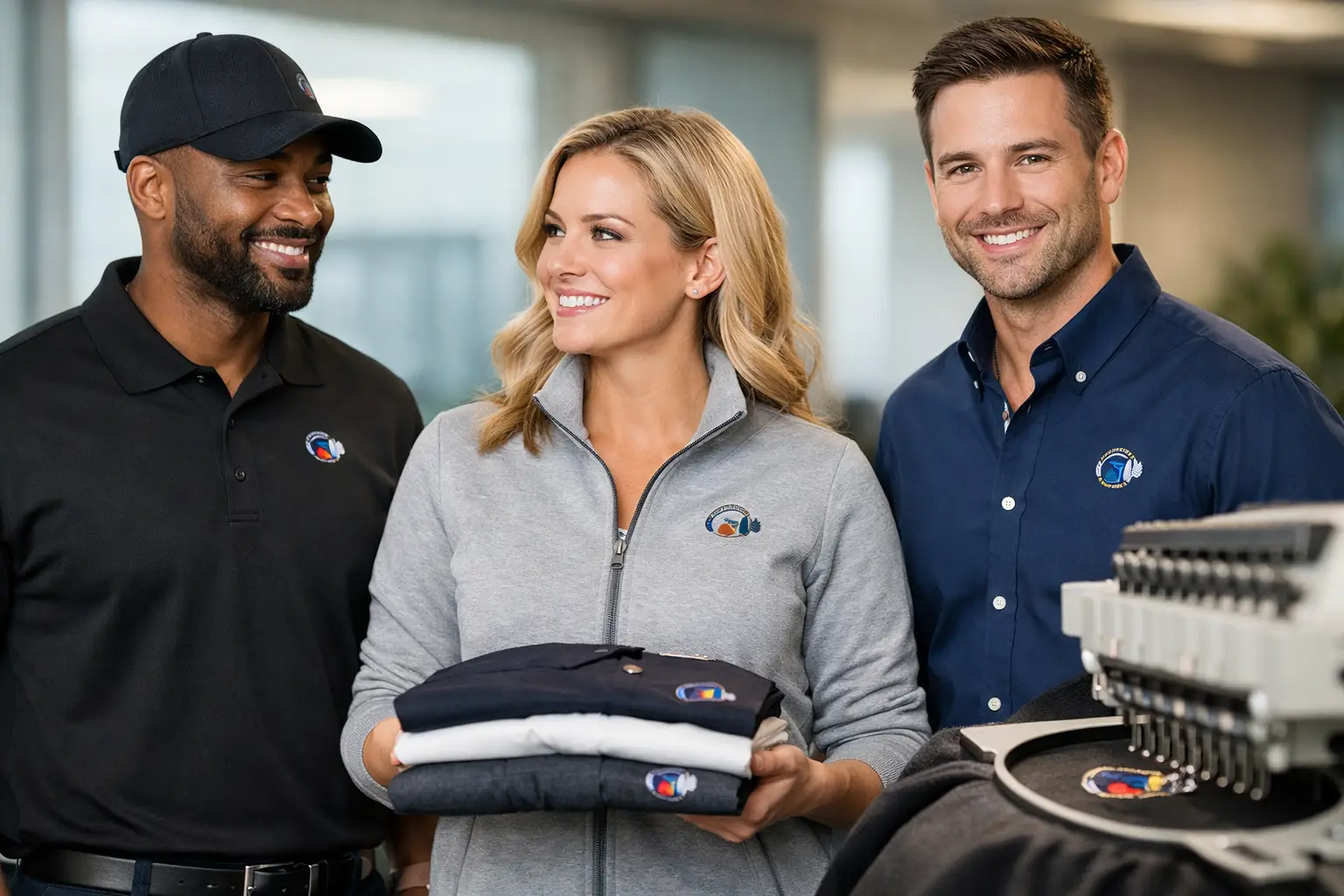
A wrinkled giveaway tee and a clean embroidered polo do not send the same message. When your team is meeting clients, walking a trade show floor, staffing a jobsite, or representing your company in the field, apparel becomes part of the brand experience. Custom embroidered corporate apparel stands out because it looks finished, wears well, and gives your logo the kind of presence that printed basics often cannot match.
For business buyers, that matters. You are not just ordering shirts. You are managing brand consistency, employee presentation, budget, sizing, turnaround time, and the very real need to reorder later without surprises. That is why embroidery remains one of the most dependable decoration methods for companies that want a professional result and a straightforward ordering process.
What makes custom embroidered corporate apparel different
Embroidery adds texture, dimension, and permanence. Instead of laying ink on the surface of a garment, the design is stitched directly into the fabric with thread. The result is a logo that looks more refined and tends to hold up exceptionally well through repeated wear and washing.
That makes embroidered apparel a strong fit for polos, button-downs, outerwear, quarter-zips, fleece, caps, work shirts, and uniforms. In office settings, it creates a polished, branded appearance without feeling overly promotional. In field and service environments, it gives teams a clean, professional identity while standing up to daily use.
There is also a perception advantage. Embroidered logos are often associated with established brands, not throwaway event merchandise. If your goal is to elevate how customers, partners, and employees see your company, that distinction is valuable.
Where custom embroidered corporate apparel delivers the most value
The best use case depends on how your team works. For customer-facing staff, embroidered polos and outerwear help create a consistent appearance across locations and roles. For trade shows and recruiting events, coordinated apparel makes a team easier to identify and gives your booth or activation a more organized presence.
For operations and facilities teams, embroidery works well on durable workwear, safety apparel, and uniforms because it stays put and maintains a professional look over time. For executive gifting or company milestone programs, premium branded layers and accessories feel more substantial than standard promotional items.
There is also a strong internal branding benefit. Employees tend to wear apparel more confidently when it looks like real brand gear rather than a leftover event shirt. That helps with morale, team identity, and day-to-day brand visibility.
Choosing the right garments for embroidered logos
Not every garment performs the same way under a needle. A logo that looks sharp on a structured polo may not translate as cleanly on a thin fashion tee. That is why garment selection matters just as much as the embroidery itself.
Polos remain the most common choice because they balance comfort, professionalism, and decoration compatibility. They work across office, hospitality, sales, and service environments. Outerwear is another strong category, especially for teams that travel, work outdoors, or need branded layers for seasonal use. Caps are practical, high-visibility add-ons that extend your brand beyond the shirt.
Fabric weight, texture, and construction all affect the finished result. Heavier fabrics usually support embroidery well, while very lightweight or stretchy garments may require more careful design planning. Brand also matters. Buyers often want recognized names because they signal quality to employees and clients alike, but the best option still depends on budget, fit preferences, and how the apparel will be used.
The logo itself matters more than most buyers expect
A strong embroidered result starts before production. Some logos are naturally embroidery-friendly. Others need adjustment so small text, thin lines, or intricate details do not get lost in thread.
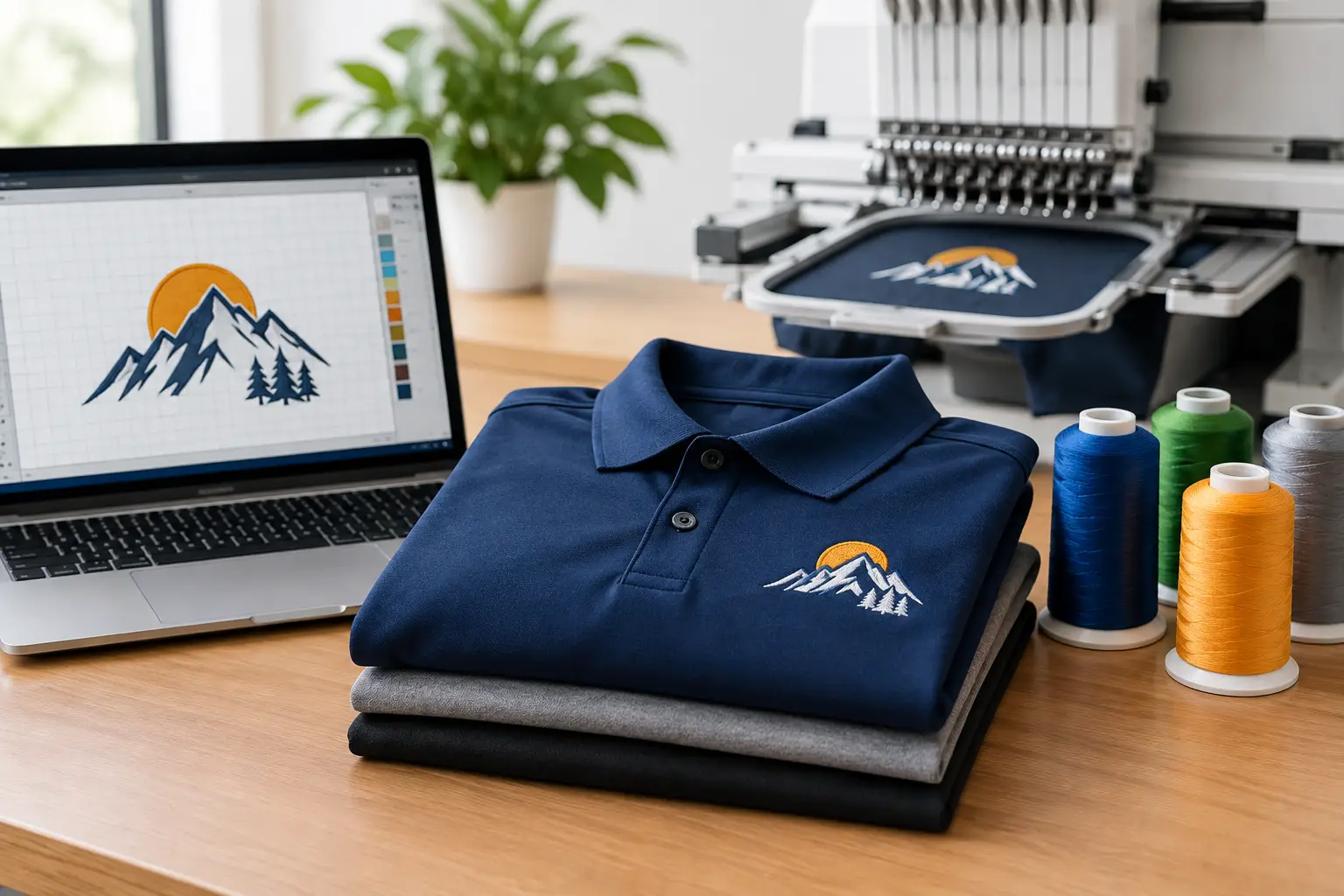
This is where digitizing becomes essential. Your artwork is converted into a stitch file that tells the embroidery equipment how to build the design. Good digitizing is not a technical extra. It is the difference between a logo that looks crisp and one that feels crowded, uneven, or hard to read.
Size and placement matter too. The left chest remains the standard for corporate apparel because it is clean, familiar, and versatile across categories. Caps, sleeves, and full back placements can also work well, but they should support the purpose of the item rather than compete with it. More decoration is not always better. In many business settings, restraint looks more premium.
Why in-house production can make a real difference
Business buyers often feel the pain of inconsistency only after the first order. Colors shift. Stitch quality changes. Reorders do not match prior runs. Delivery dates move because the order passed through too many hands.
That is why production control matters. When digitizing, proofing, and embroidery are handled under one roof, there is usually better visibility into the order and tighter quality management. It also makes communication easier if a logo needs adjustment or a garment choice changes before production begins.
For companies managing employee onboarding, branch reorders, event deadlines, or ongoing uniform programs, that level of control can save time and reduce errors. It is not just about decoration quality. It is about operational reliability.
Speed matters, but accuracy matters more
Fast turnaround is valuable, especially when you are outfitting a new team, preparing for an event, or replacing inventory quickly. But speed without proofing and production discipline can create expensive mistakes.
The better approach is a process that moves quickly after art approval while still protecting the final result. That means clear digital proofing, realistic production timelines, and responsive support if questions come up around logo size, thread colors, or garment substitutions.
For larger programs, planning ahead still pays off. If you expect repeat orders, seasonal demand, or multiple departments ordering under the same brand standards, it helps to establish approved products, logo placements, and decoration specs upfront. That turns future reorders into a simpler, more predictable process.
When embroidery is the right choice – and when it is not
Embroidery is excellent for company logos, names, and clean branding elements. It is especially effective when durability and presentation are top priorities. If your apparel is meant to function as a uniform, a client-facing layer, or a premium branded piece, embroidery is often the better fit.
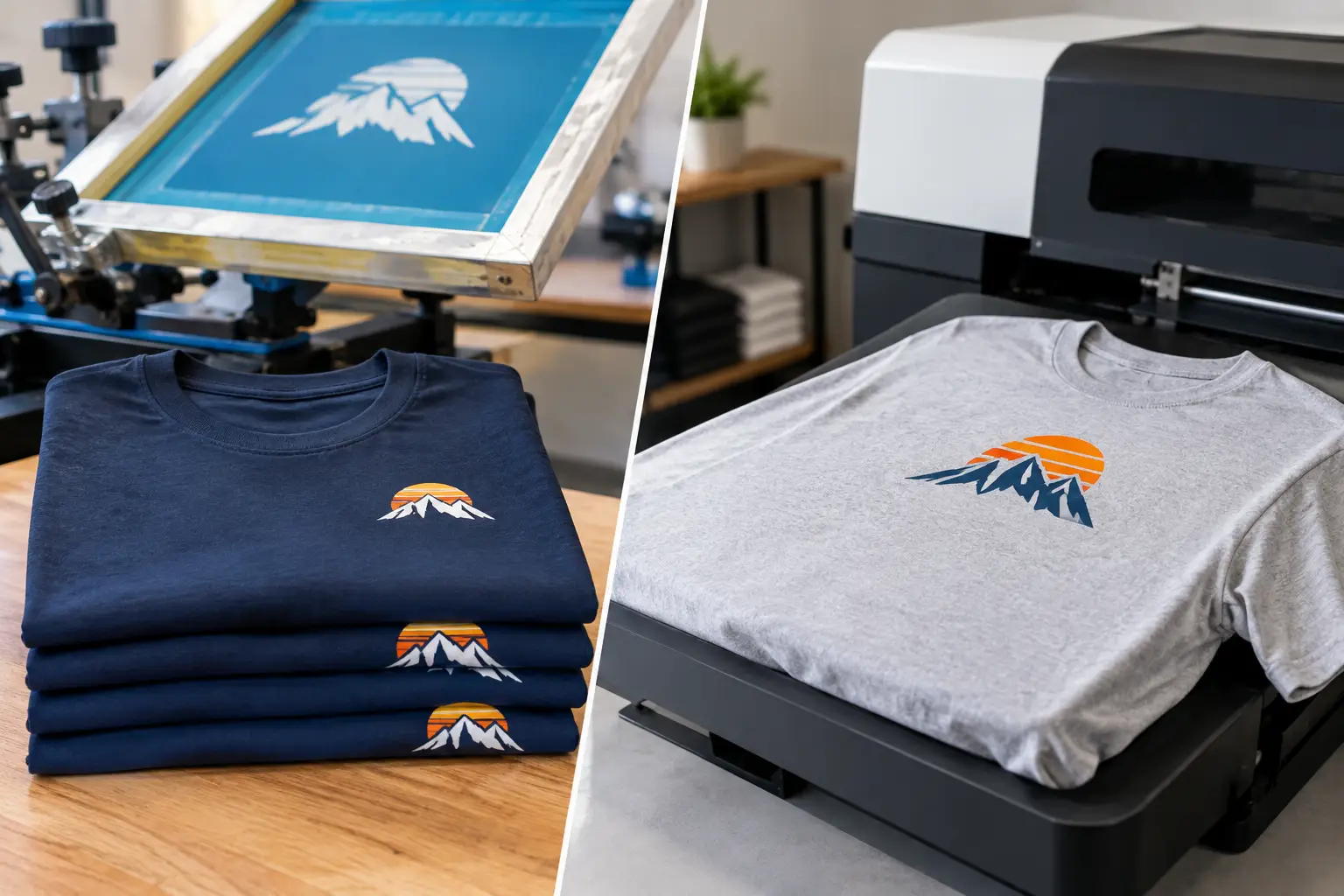
Still, it depends on the design and the garment. Large artwork, full-front graphics, and highly detailed multi-color illustrations may be better suited to screen printing or another decoration method. Budget can also affect the decision. Embroidery delivers a premium look, but stitch count, logo complexity, and placement can influence cost.
That does not make it less valuable. It just means the smartest solution starts with the use case. A dependable customization partner should help you match the decoration method to the garment, the logo, and the job the apparel needs to do.
Building a corporate apparel program that lasts
The most successful apparel orders are rarely one-off decisions. They are part of a broader system for keeping teams outfitted and brands consistent. That might mean standardizing polos for everyday wear, adding outerwear for seasonal needs, offering caps or bags for field teams, or creating department-specific options within one approved brand look.
For growing companies, a repeatable program reduces friction. New hires can be outfitted quickly. Locations stay visually aligned. Marketing and operations spend less time re-explaining logo rules or searching for replacement products. Procurement gets a cleaner path to reorders and budget planning.
This is where experience matters. A supplier that understands apparel categories, brand standards, production timing, and reorder management brings more value than a simple order-taking platform. LOGO USA has built its approach around that reality, combining product range, in-house decoration, and responsive service for buyers who need polished results without extra complexity.
Custom embroidered corporate apparel works because it solves more than one problem at a time. It improves presentation, supports brand consistency, and gives employees apparel they will actually want to wear. If you choose the right garments, prepare the logo correctly, and work with a partner who controls quality from proof to production, branded apparel becomes a practical business tool – not just another item on the purchasing list.
The best branded apparel is the kind your team can put on without thinking twice, because it fits well, looks right, and represents your company the way it should.
Popular Blogs
What File Formats Does Embroidery Accept?
October 12, 2026